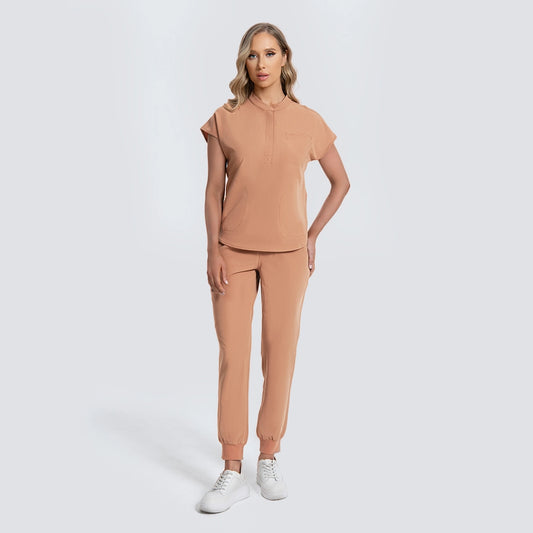
Men’s medical scrubs have evolved far beyond basic uniforms. Today’s healthcare professionals expect workwear that combines comfort, mobility, durability and a polished appearance. The right scrubs should help you move confidently through a demanding shift without feeling restrictive, overloaded or untidy.
However, not every scrub set works equally well for every person or healthcare role. A nurse working a busy hospital floor may need a different pocket system than a dentist in a private practice. A veterinary technician may prioritize stretch and stain resistance, while a physician may prefer a cleaner, more tailored appearance.
So, what should you look for when choosing men’s medical scrubs? From fit and fabric to pockets and pant styles, this guide covers the details that can make a real difference during your workday.
Start With the Demands of Your Shift
Before comparing colors or silhouettes, consider what your average shift actually involves.
Do you spend most of the day walking between patient rooms? Are you frequently bending, lifting or reaching? Do you carry a phone, pens, gloves, instruments or other essentials? Is your workplace warm, cold or constantly changing?
Your daily routine should guide your choice.
Healthcare professionals who are continuously moving may benefit from lightweight scrubs with four-way stretch. Those who work in cooler environments may prefer slightly heavier fabric or enough room for a base layer. If you carry multiple tools, strategically placed pockets may matter more than a fashion-forward silhouette.
The best men’s medical scrubs are not necessarily the ones with the most features. They are the ones whose features match the way you work.
Find a Fit That Looks Professional and Feels Natural
A good fit should provide room to move without making the uniform look oversized. Scrubs that are too tight may restrict the shoulders, chest, hips or thighs. Scrubs that are too loose can look untidy and may get in the way when working around equipment.
For scrub tops, pay particular attention to the shoulders and upper back. The shoulder seams should sit close to the natural edge of your shoulders, while the body should allow enough room for reaching and bending. The top should also be long enough to maintain coverage when you lift your arms.
For scrub pants, check the seat, rise and thigh area. You should be able to sit, squat and climb stairs without pulling at the waistband or feeling tension across the knees.
Men with broader shoulders or a muscular build may need a different size or cut than men with a slimmer frame. Whenever possible, use the brand’s actual size chart rather than assuming your usual casualwear size will be the same.

Choose Fabric That Can Handle Long Hours
Fabric affects almost every part of the scrub-wearing experience. It influences breathability, stretch, weight, durability and how polished the uniform looks at the end of a shift.
A cotton-rich fabric can feel soft and breathable, but it may absorb moisture and wrinkle more easily. Polyester blends generally dry faster, resist wrinkles and maintain their color well. Adding spandex or elastane gives the fabric more flexibility, which can be especially helpful during repeated bending and reaching.
For active roles, look for two-way or four-way stretch. Four-way stretch allows the material to move both horizontally and vertically, helping the garment follow your body more naturally.
The fabric should also be substantial enough to provide coverage without feeling heavy. Very thin material may feel cool, but it can reveal pocket contents, show wrinkles or become less durable after frequent washing.
Select the Right Scrub Top Style
The classic V-neck remains one of the most versatile choices in men’s medical scrubs. It is simple, easy to layer and appropriate for nearly every clinical environment.
Modern V-necks may include athletic shoulder seams, side vents or stretch panels for added movement. These details can make a basic scrub top feel noticeably more comfortable during a long shift.
A tuck-in scrub top creates a streamlined appearance and works particularly well with tapered or jogger-style pants. It can be a good option for physicians, dental professionals and anyone working in a setting with a polished dress code.
Untucked tops usually provide more coverage and often offer additional storage. If you choose this style, make sure the hem does not hang so low that it interferes with access to your pant pockets.
Some workplaces also allow collared or polo-inspired scrub tops. These can look more structured, but they should still be made with flexible, easy-care performance fabric.
Compare Straight-Leg, Tapered and Jogger Scrub Pants
The right pant silhouette depends on your body shape, workplace and personal preference.
Straight-leg scrub pants provide a classic, relaxed fit from the thigh to the ankle. They are easy to wear, accommodate a wider range of body types and pair well with most professional footwear. They are also a practical choice for traditional hospital dress codes.
Tapered scrub pants narrow gradually toward the ankle. They create a more modern profile without becoming as fitted as joggers. For many men, a tapered leg offers a useful balance between professional styling and everyday mobility.
Jogger scrub pants feature elastic or rib-knit ankle cuffs. They help keep pant hems away from the floor and work well for active roles. However, they may not be appropriate in every workplace, especially where a more traditional uniform is expected.
Whichever style you select, check the inseam carefully. Pants that are too long can drag against the floor, while pants that are too short may pull upward excessively when you sit.
Look for a Secure, Comfortable Waistband
A scrub waistband should stay in place without feeling tight during a long shift. Many men’s scrub pants combine elastic with an adjustable drawcord, providing flexibility without relying on the drawstring alone.
A full elastic waistband distributes pressure more evenly and can adapt as you move. An internal drawcord creates a cleaner appearance, while an external drawcord is easier to adjust quickly.
Some designs also include a button or zipper fly. This can make scrub pants feel more like conventional trousers, but additional hardware should not create pressure when sitting or bending.
When trying on pants, fill the pockets with the items you usually carry. A waistband that feels secure when the pockets are empty may begin to sag once a phone, wallet and medical tools are added.

Choose Pockets Based on What You Carry
More pockets are not automatically better. The goal is to have enough organized storage without adding unnecessary bulk.
A chest pocket works well for pens, an ID badge or a small notepad. Side pockets provide quick access to frequently used items, while cargo pockets can hold a phone, gloves or compact instruments.
Look for pockets with useful internal divisions. A dedicated pen slot prevents smaller objects from moving around inside a larger pocket. A secure zipper pocket can protect keys, cards or personal items.
Pocket placement is just as important as pocket count. Bulky items stored directly over the knee may become uncomfortable when walking or kneeling. Heavy objects carried on only one side can also make the garment feel unbalanced.
Think about what you genuinely use during a shift and choose a pocket configuration that gives each essential item a practical place.

Consider Color and Workplace Dress Codes
Navy, royal blue, ceil blue, black and charcoal are among the most popular colors for men’s medical scrubs. Darker colors often create a structured, professional look and may make minor stains less noticeable.
Lighter colors can feel fresh and approachable but may require more attention during washing and stain treatment. Some healthcare organizations assign colors according to role or department, so always confirm your workplace requirements before purchasing multiple sets.
If your dress code allows more flexibility, build a small wardrobe around two or three compatible colors. This makes it easier to mix scrub tops and pants while maintaining a coordinated appearance.
Color consistency also matters. Buying tops and pants from the same fabric collection can help prevent small differences in shade, texture and fading.
Check the Construction Details
Small construction details often determine how long scrubs remain comfortable and presentable.
Inspect high-stress areas such as shoulder seams, pocket openings, the crotch and inner thighs. Reinforced stitching or bar tacks can help prevent tearing in areas that experience repeated pulling.
Flat, smooth seams may reduce irritation during long hours of wear. Side vents can improve movement and help an untucked top sit more naturally over the hips.
Quality zippers, durable drawcords and neatly finished hems are also worth checking. These features may seem minor when the scrubs are new, but they become more important after months of frequent wear and washing.
Think About Laundry and Long-Term Durability
Healthcare uniforms are washed more frequently than most everyday clothing. For that reason, durability and easy care should be part of the buying decision.
Review the care label before purchasing. If the garment requires special handling that does not fit your routine, it may become inconvenient over time.
Well-made men’s medical scrubs should maintain their shape, color and surface appearance through repeated laundering. Wrinkle-resistant fabric can also help the uniform look polished with less preparation before work.
Rotating several scrub sets rather than repeatedly wearing the same two can extend the life of each garment. Treat stains promptly, avoid overloading the washer and follow the recommended drying temperature to protect stretch fibers.
Perform a Quick Movement Test
Scrubs can look good while standing still but feel completely different once you begin moving.
When trying them on, raise your arms, reach forward, sit down, squat and take several long steps. Check whether the top lifts too high, the waistband rolls or the fabric pulls across the shoulders, thighs and knees.
Place your usual work items in the pockets and repeat the test. Make sure the pockets remain accessible and that the additional weight does not distort the fit.
The goal is to find scrubs that require as little adjustment as possible. During a busy shift, you should be able to focus on your work instead of repeatedly pulling down your top or tightening your waistband.
Final Thoughts
The best men’s medical scrubs combine professional style with practical performance. They should fit your body, support your movements and provide the right amount of storage for your role.
Start with your daily responsibilities, then compare fit, fabric, pant silhouette, waistband construction and pocket placement. Finally, consider how the scrubs will hold up after regular washing and repeated long shifts.
A thoughtfully chosen scrub set may not make the workday shorter, but it can make every hour feel more comfortable, organized and confident.